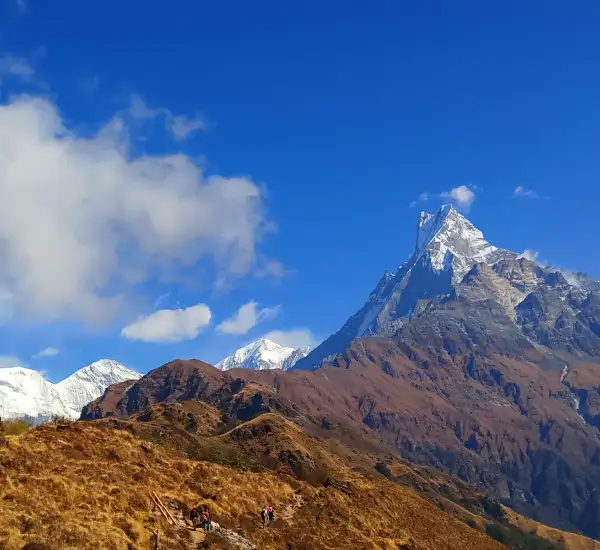
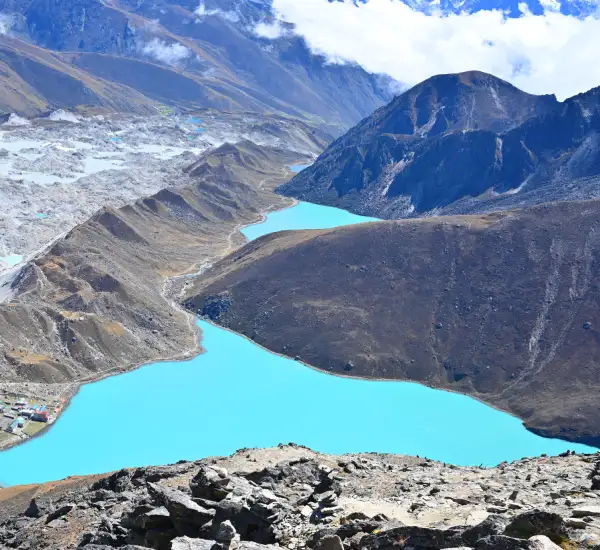
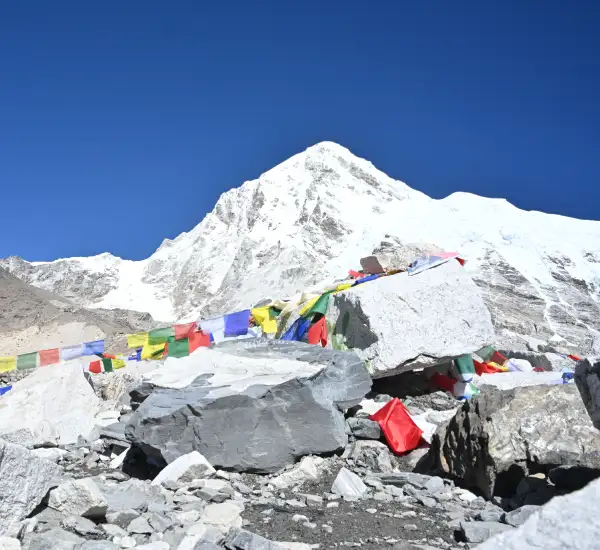
The Nar Phu Valley Trek takes you on a special adventure to a quiet place with stunning nature and Tibetan traditions. It’s a great pick if you want to explore less crowded areas in the Annapurna region and experience the thrill of the Himalayas. The valley is a hidden gem in the Himalaya offering a unique and less-trodden path through remote villages and stunning landscapes. This trek is perfect for adventurous travelers looking to explore off-the-beaten-path destinations. The Nar Phu valley is popular as a remote beauty.
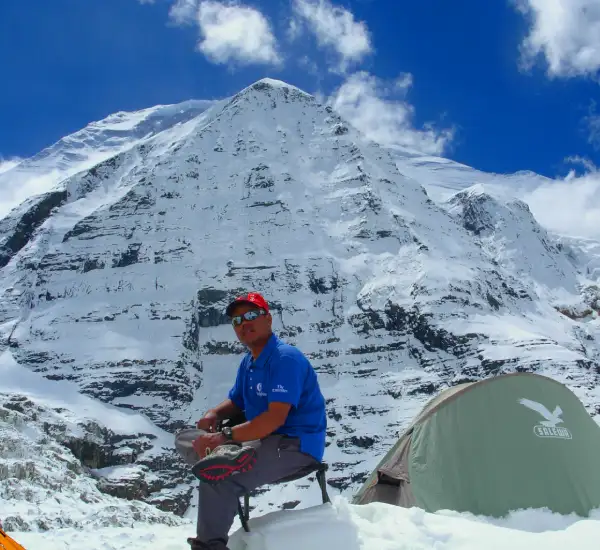
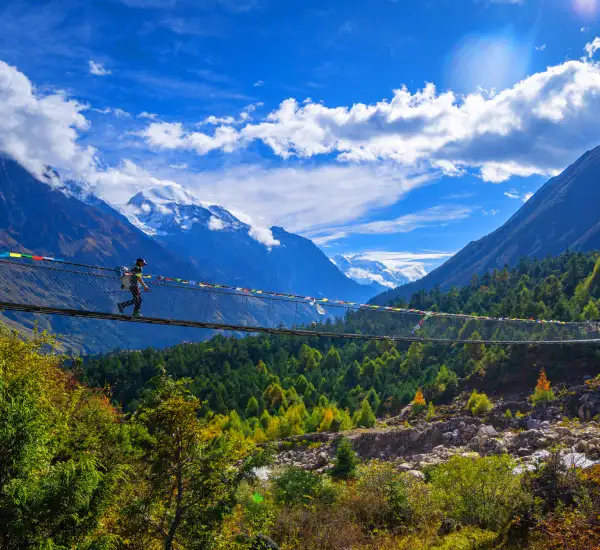
The Nar Phu Valley, situated in the Manang district, is a restricted area that opened to trekkers in 2003. This means that the region retains its pristine beauty, culture, and traditions. The valley is home to the Nar and Phu villages, which have preserved their Tibetan culture for centuries. The Nar Phu Valley Trek is a journey of discovery. Trekkers can expect breathtaking views of the Annapurna and Manaslu mountain ranges, including Kangaroo Peak and Pisang Peak. The trail passes through dense forests, terraced fields, and high mountain passes, offering diverse scenery at every turn.
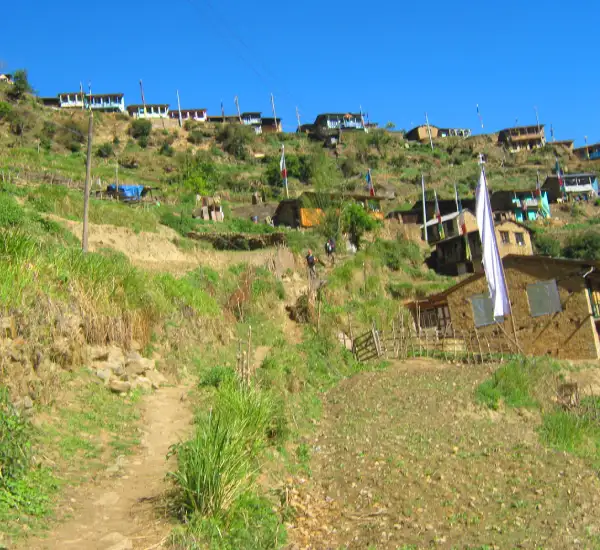
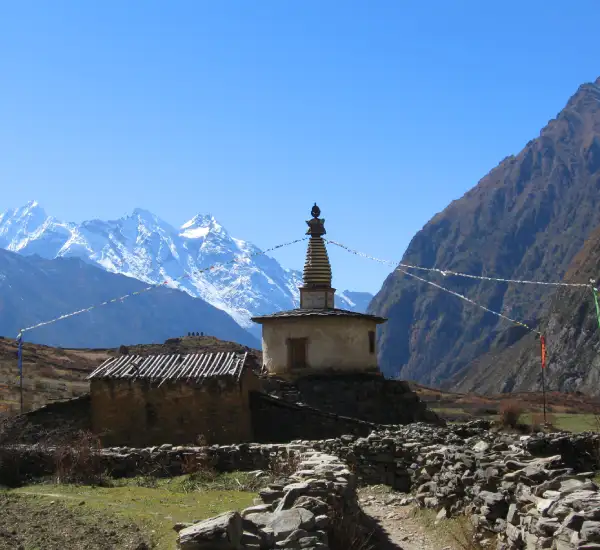
The Nar and Phu villages are the heart of this trek, providing an opportunity to immerse yourself in Tibetan culture. The people of these villages have their distinct language, traditions, and architecture, making them vastly different from other parts of Nepal. You can explore ancient monasteries, prayer flags, and mani walls as you trek through these villages. The trek involves crossing high passes, including the Kang La Pass (5,322 meters) and the Thorong La Pass (5,416 meters). These passes offer a challenging but rewarding experience for trekkers seeking adventure. The views from these passes are nothing short of spectacular.
The trekking route is less crowded than the other popular treks in the Annapurna region, you’ll often find yourself trekking in solitude. The sense of isolation and wilderness adds to the charm of this trek. These permits help preserve the region’s unique culture and environment while regulating the number of visitors. The trek typically takes around 16-18 days to complete, depending on your itinerary and pace.
Day 1: Arrival in Kathmandu
Day 2: Kathmandu to Jagat (Drive)
Day 3: Jagat to Dharapani
Day 4: Dharapani to Koto
Day 5: Koto to Meta
Day 6: Meta to Phu Village
Day 7: Exploration and Acclimatization in Phu Village
Day 8: Phu Village to Nar Village
Day 9: Exploration and Acclimatization in Nar Village
Day 10: Nar Village to Kang La Pass Base Camp
Day 11: Kang La Pass to Ngawal
Day 12: Ngawal to Manang
Day 13: Manang to Thorong Phedi
Day 14: Thorong Phedi to Muktinath via Thorong La Pass
Day 15: Muktinath to Jomsom
Day 16: Jomsom to Pokhara (Flight)
Day 17: Pokhara to Kathmandu (Drive or Fly)
Day 18: Departure from Kathmandu